Race day
Your first half marathon: how to get to the finish in style
21.1 kilometres. Long enough to deserve respect, short enough that you can still make dinner plans afterwards. For many runners the half marathon is the best distance there is. Here is what matters the first time.
How early should I start?
If you can already run 30 to 45 minutes comfortably, 10 to 12 weeks of focused preparation is usually enough. Three runs a week is a good framework: one easy run, one slightly faster run and a long run at the weekend that slowly builds up to 16 to 18 kilometres. You do not need to run the full distance beforehand. On race day the adrenaline, and the people along the course, carry you through the last kilometres.
Slow is the new fast
The most common mistake in a first half marathon: starting too fast. The atmosphere at the start is amazing, your legs feel fresh, and suddenly you are 30 seconds per kilometre faster than planned. That comes back to bite you from kilometre 15. Run the first five kilometres deliberately easy. Overtaking people in the second half is more fun anyway.
Eating and drinking
Take a few sips of water at the aid stations even if you are not thirsty. If you want to use gels or bars, test them in training, not in the race. The night before: eat something familiar that agrees with you. The big plate of spicy curry can wait for the celebration.
The final week
In the week before the race you train much less, but not zero. A few short, easy runs keep the legs awake. More important than any session is sleep, especially two nights before the race, because hardly anyone sleeps well the night before.
On race day
- Arrive early, toilet queues are a competition of their own
- Wear nothing new: test shirt, socks and shoes beforehand
- Pin your bib the evening before
- After the finish: drink, put on something warm, photograph the medal
And then?
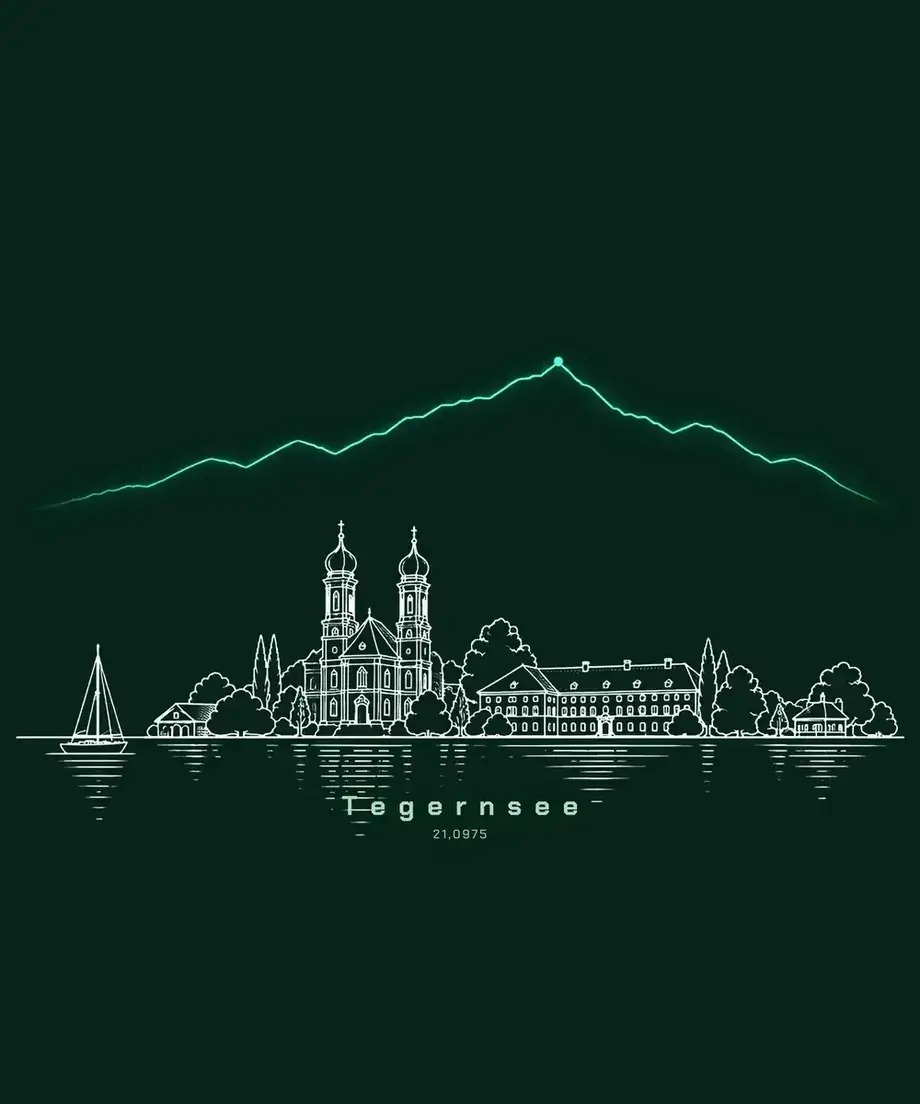
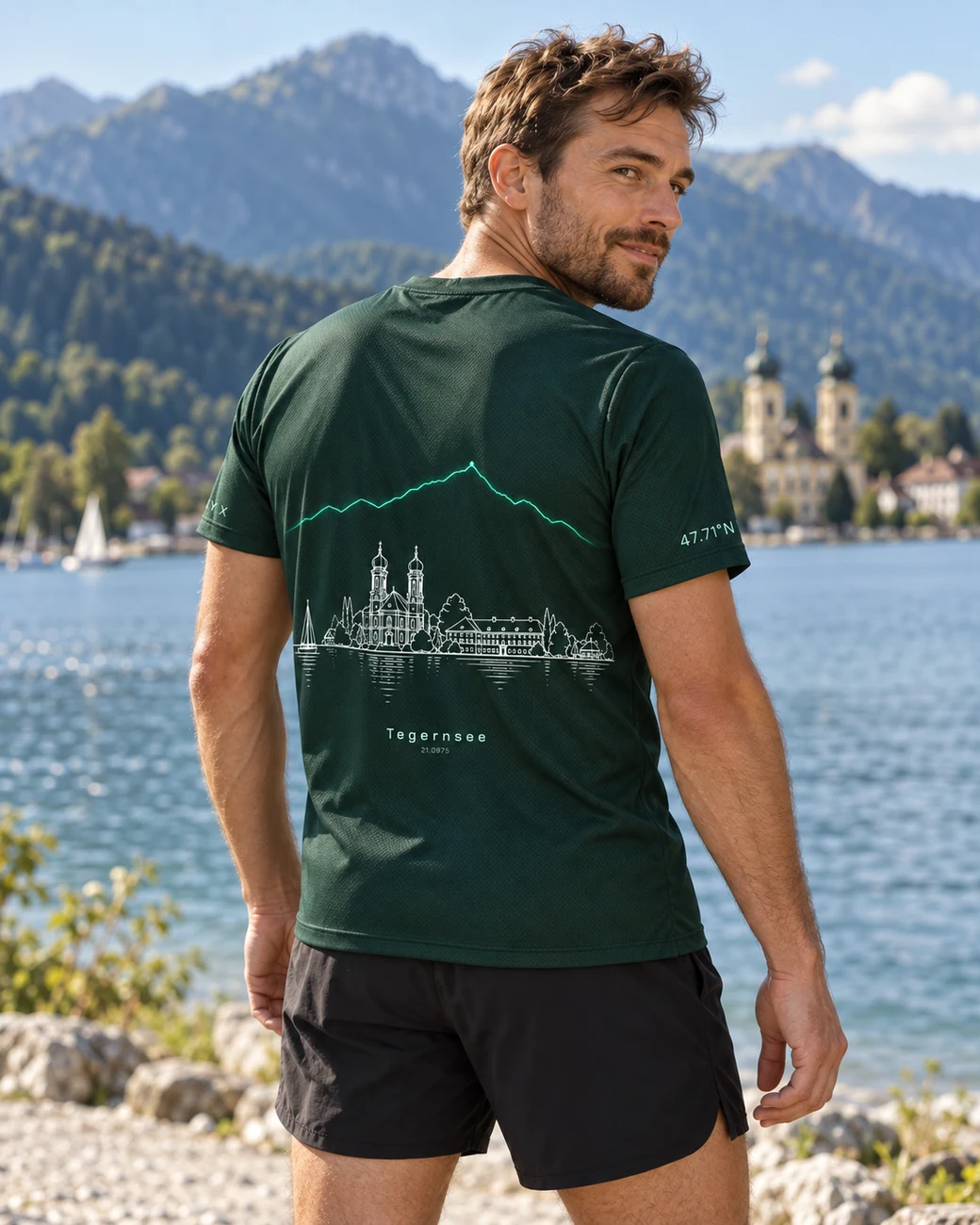
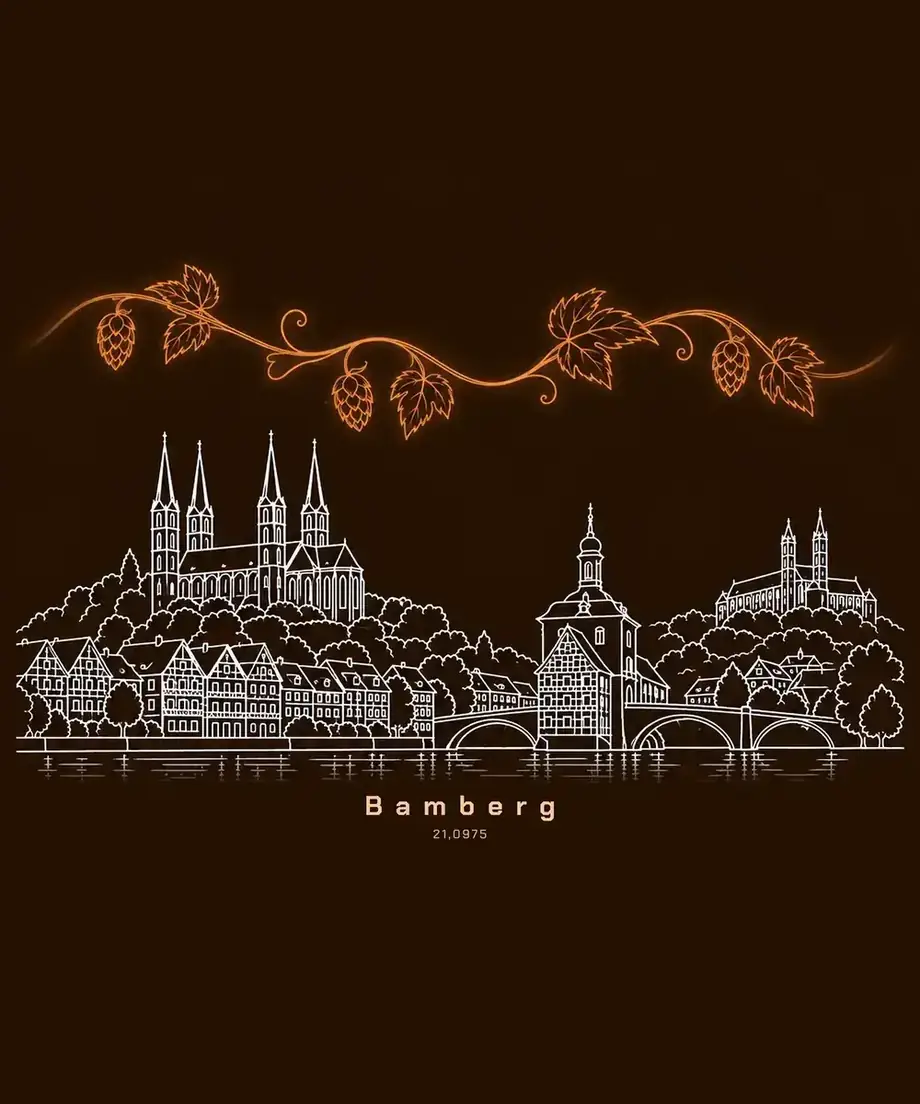
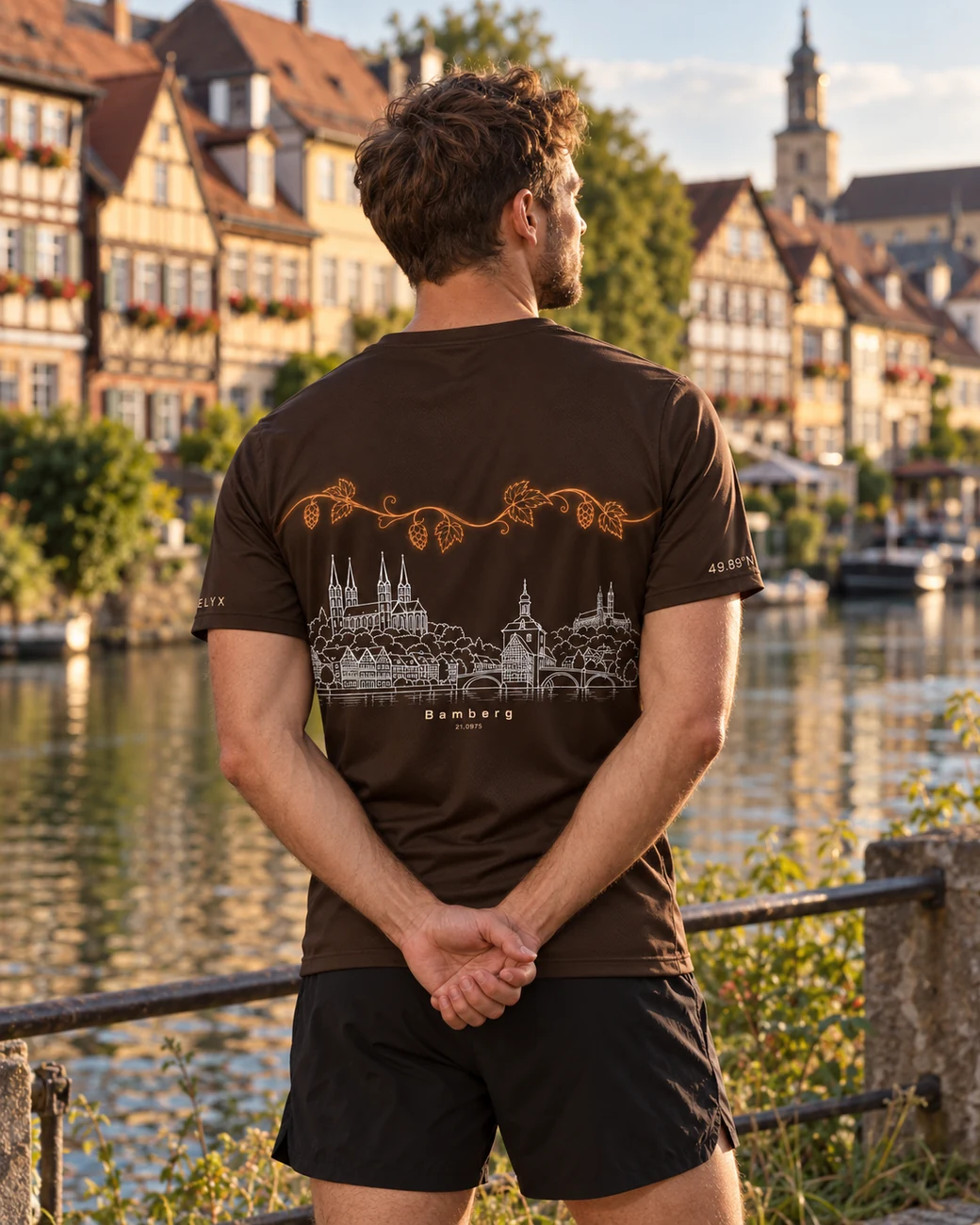
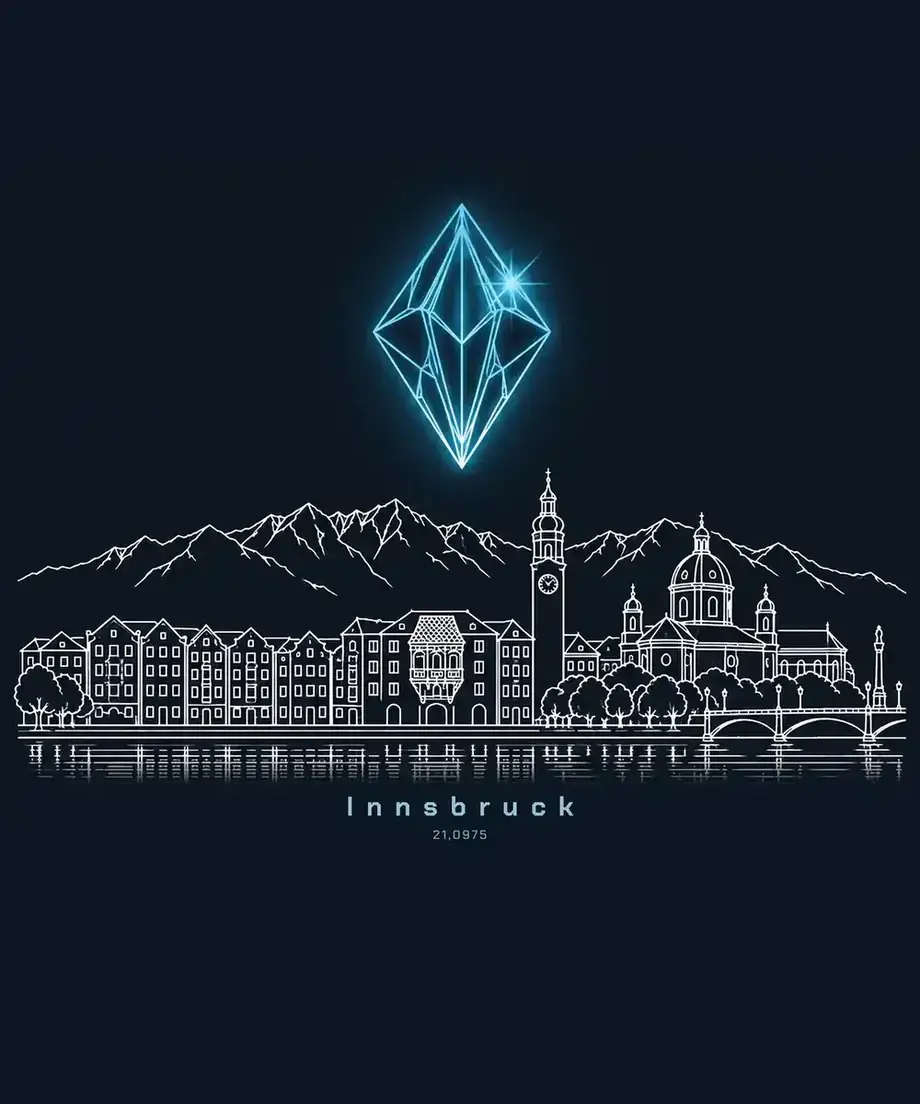
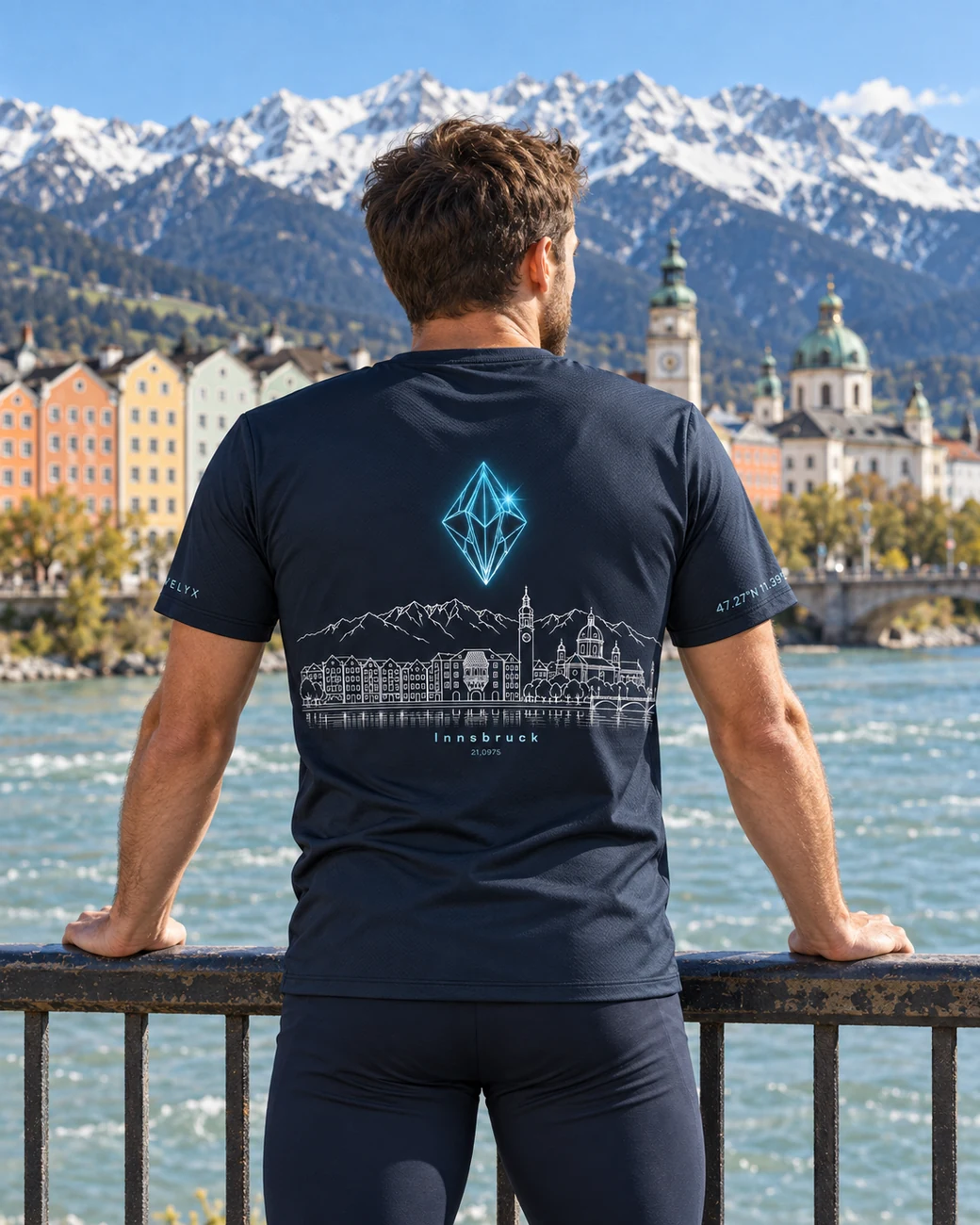
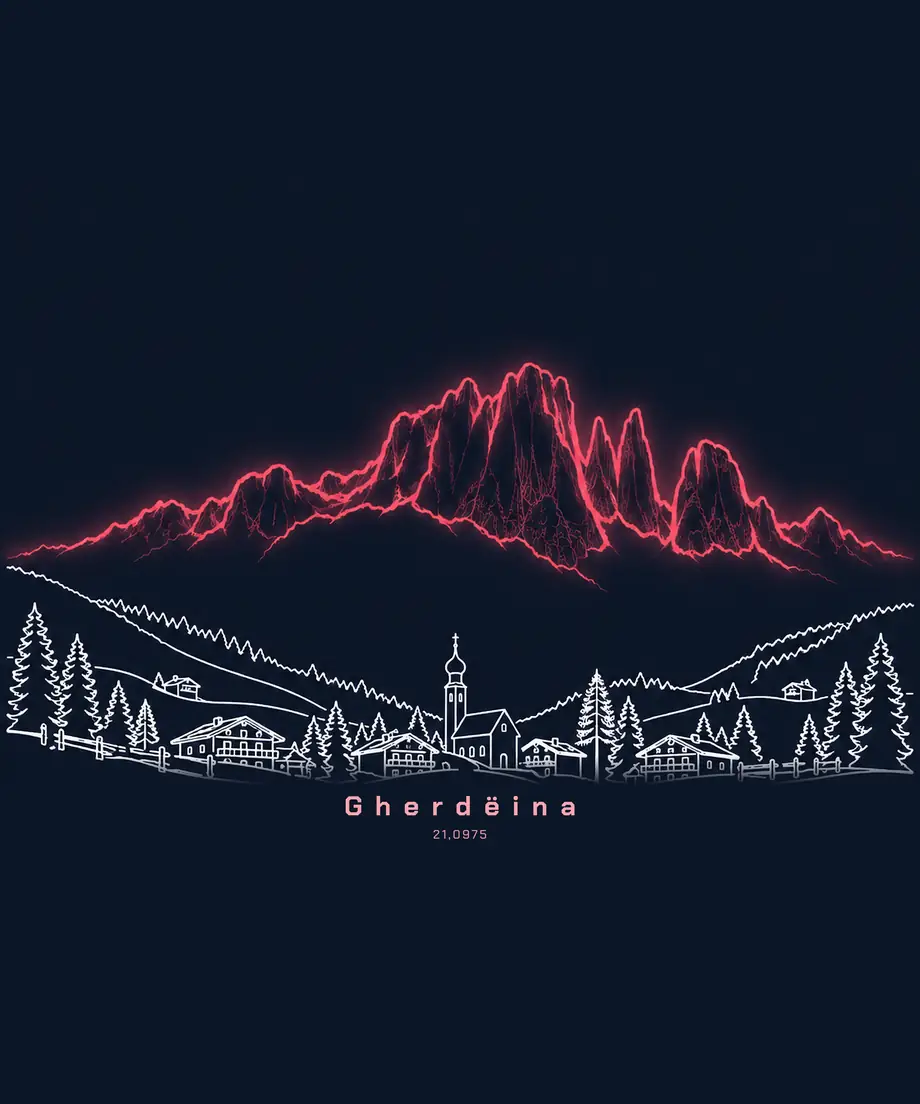
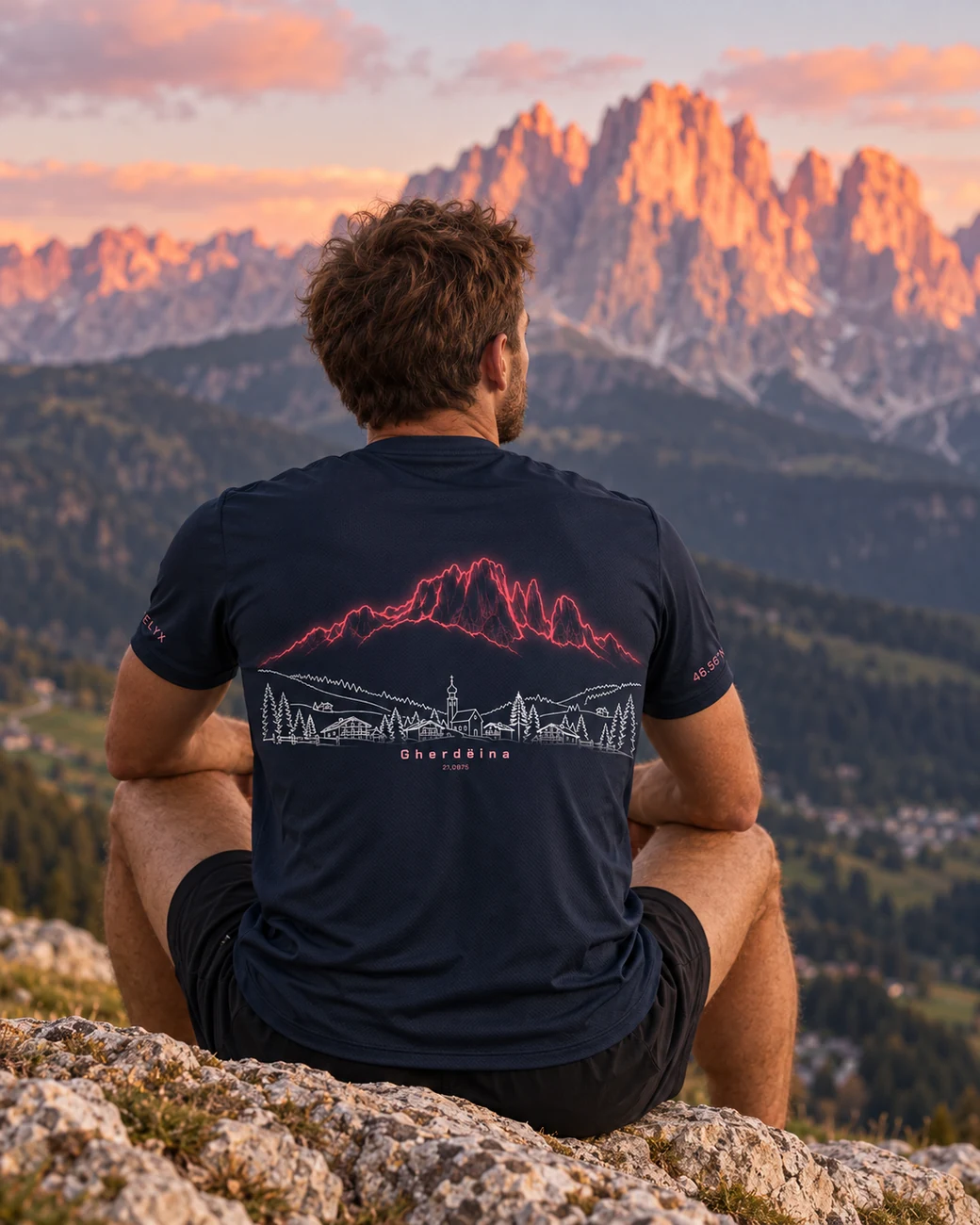
Then you are a half marathoner, and that stays with you. If you want your city and 21.0975 on your back: we make half marathon shirts for races between mountains, lakes and old towns, for example Tegernsee, Bamberg or Innsbruck. And if anyone asks when the full marathon is coming: our guide to 42.2 and 21.1 explains why the second half always feels longer.